How New Ideas Change the World
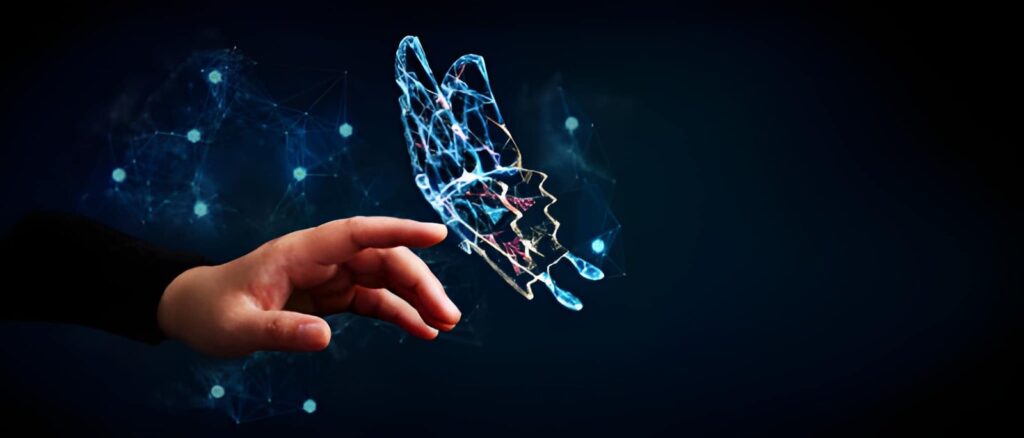
Every major change in human history began with an idea. Before a new invention was created, someone imagined it. Before a social movement gained momentum, someone questioned the way things were. Before a difficult problem found a solution, someone asked whether there could be a better way.
New ideas have the power to change the world because they challenge existing assumptions and open doors to possibilities PG88 that did not previously seem possible. They can transform technology, education, healthcare, business, communication, and everyday life. While not every idea becomes successful, even unsuccessful attempts can provide lessons that inspire future progress.
Ideas Begin With Curiosity
Many important ideas begin with a simple question.
Why does something work this way? Can it be improved? What if there were another solution?
Curiosity encourages people to look beyond what already exists.
When individuals question familiar systems, they may discover opportunities for improvement.
A new idea does not always need to be revolutionary. Sometimes, a small improvement can make a meaningful difference.
The willingness to ask questions is often the first step toward innovation.
Innovation Solves Real Problems
Some of the world’s most useful ideas were created in response to practical challenges.
People need solutions to problems involving transportation, communication, education, energy, and many other areas.
When someone identifies a problem and develops a better approach, the idea can improve people’s lives.
This is why innovation often begins with understanding what people need.
The strongest ideas are not always the most complicated. Sometimes, they are simple solutions that make everyday tasks easier, faster, safer, or more accessible.
Technology Transforms Possibilities
Technology has demonstrated the power of new ideas more clearly than almost anything else.
The development of computers, smartphones, and digital communication has changed how people work, learn, and connect.
These technologies began as ideas that once seemed unfamiliar or even impossible.
Today, they are part of everyday life.
New technologies continue to emerge, and each one creates new possibilities.
Artificial intelligence, renewable energy, advanced robotics, and other developing fields may influence how future generations live and work.
Ideas Can Change Education
New ideas have also transformed the way people learn.
Traditional classrooms remain important, but digital tools have created additional ways to access education.
Online courses, virtual learning environments, interactive resources, and digital libraries allow people to learn from almost anywhere.
These innovations can make education more flexible and accessible.
The future of learning will likely continue to evolve as educators and technology developers explore new approaches.
Social Ideas Create Positive Change
Not all world-changing ideas involve technology.
Ideas about equality, education, human rights, and community responsibility can influence society in powerful ways.
Throughout history, individuals have questioned unfair systems and encouraged others to imagine a more inclusive future.
Social change often begins when someone believes that existing conditions can be improved.
One idea can inspire another, creating movements that influence communities and generations.
Creativity Turns Ideas Into Possibilities
Having an idea is only the beginning.
Creativity helps people explore how an idea might become practical.
A creative thinker considers different approaches, experiments with possibilities, and is willing to adjust when something does not work.
This process often requires patience.
The first version of an idea may not be successful, but each attempt can provide useful information.
Creativity allows people to continue improving until an idea becomes more effective.
Collaboration Makes Ideas Stronger
Many successful ideas are developed through teamwork.
Different people bring different experiences, skills, and perspectives.
When they work together, they can identify weaknesses, suggest improvements, and create solutions that one person might not have developed alone.
Collaboration also allows ideas to spread.
A concept created in one community can be improved by people in another part of the world.
This exchange of knowledge can accelerate innovation.
Failure Can Lead to Better Ideas
Not every new idea succeeds immediately.
Some experiments fail, products do not attract customers, and plans may not produce the expected results.
However, failure can provide valuable information.
It can reveal what needs to change and encourage people to explore alternative approaches.
Many successful innovations have developed through repeated testing and improvement.
The important lesson is that failure does not necessarily mean an idea has no value.
Sometimes, it is simply part of the journey toward a better solution.
Ideas Influence Future Generations
A powerful idea can continue influencing the world long after its creator is gone.
Books, inventions, scientific discoveries, and social movements can inspire people decades or even centuries later.
Each generation builds upon the knowledge of those who came before.
This creates a continuous cycle of progress.
One person’s idea becomes another person’s starting point.
In this way, ideas can travel through time and continue shaping the future.
Responsible Innovation Matters
New ideas can create tremendous benefits, but they also require responsibility.
Not every innovation is automatically good for everyone.
Technology and new systems should be developed with consideration for safety, fairness, privacy, and long-term consequences.
Responsible innovation means thinking not only about what can be created but also about how it will affect people and the environment.
The best ideas are those that combine creativity with thoughtful decision-making.
Conclusion
New ideas change the world by challenging assumptions, solving problems, inspiring creativity, and creating possibilities for progress.
Some ideas transform entire industries, while others improve small parts of everyday life. Both types of innovation can make a difference.
The process often begins with curiosity. Someone notices a problem, asks a question, or imagines a different possibility.
From there, creativity, collaboration, experimentation, and persistence can turn that idea into something meaningful.
The world we live in today is the result of countless ideas developed by people who were willing to think differently.
Future generations will face new challenges that require fresh solutions. The ideas created today may shape how people live, work, learn, and communicate tomorrow.
Ultimately, changing the world does not always begin with a grand plan Thể thao PG88. Sometimes, it begins with one person asking a simple question: “Could there be a better way?”
That question can lead to an idea, and an idea can become a solution.
When people remain curious, creative, and willing to explore new possibilities, they contribute to a world that is constantly learning and evolving. Every new idea carries the potential to make a difference, and sometimes the smallest thought can become the beginning of something truly transformative.